Vogue
ADOBE FULL PACK
[ may 2020 - July 2024 ]

THE ASK
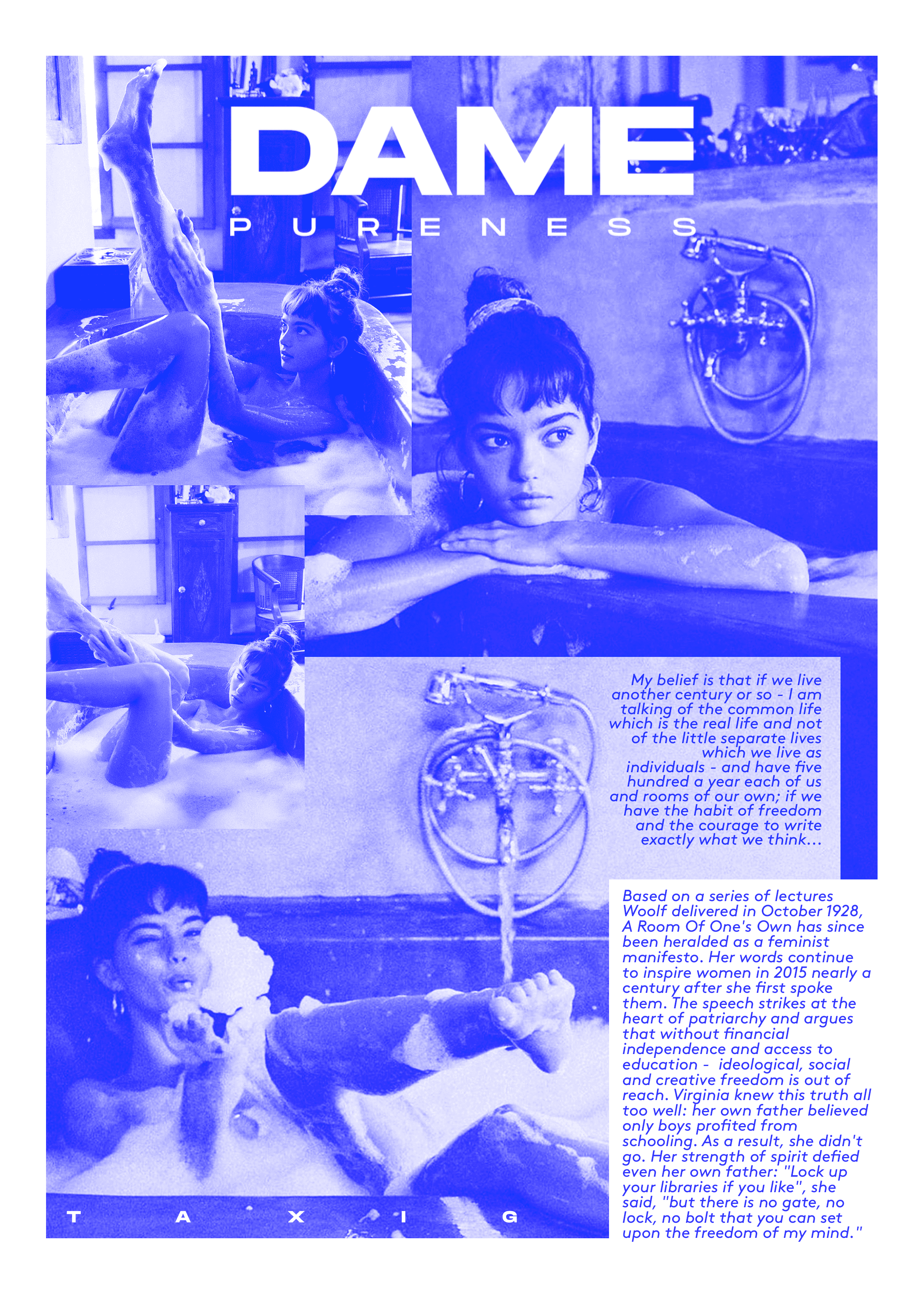
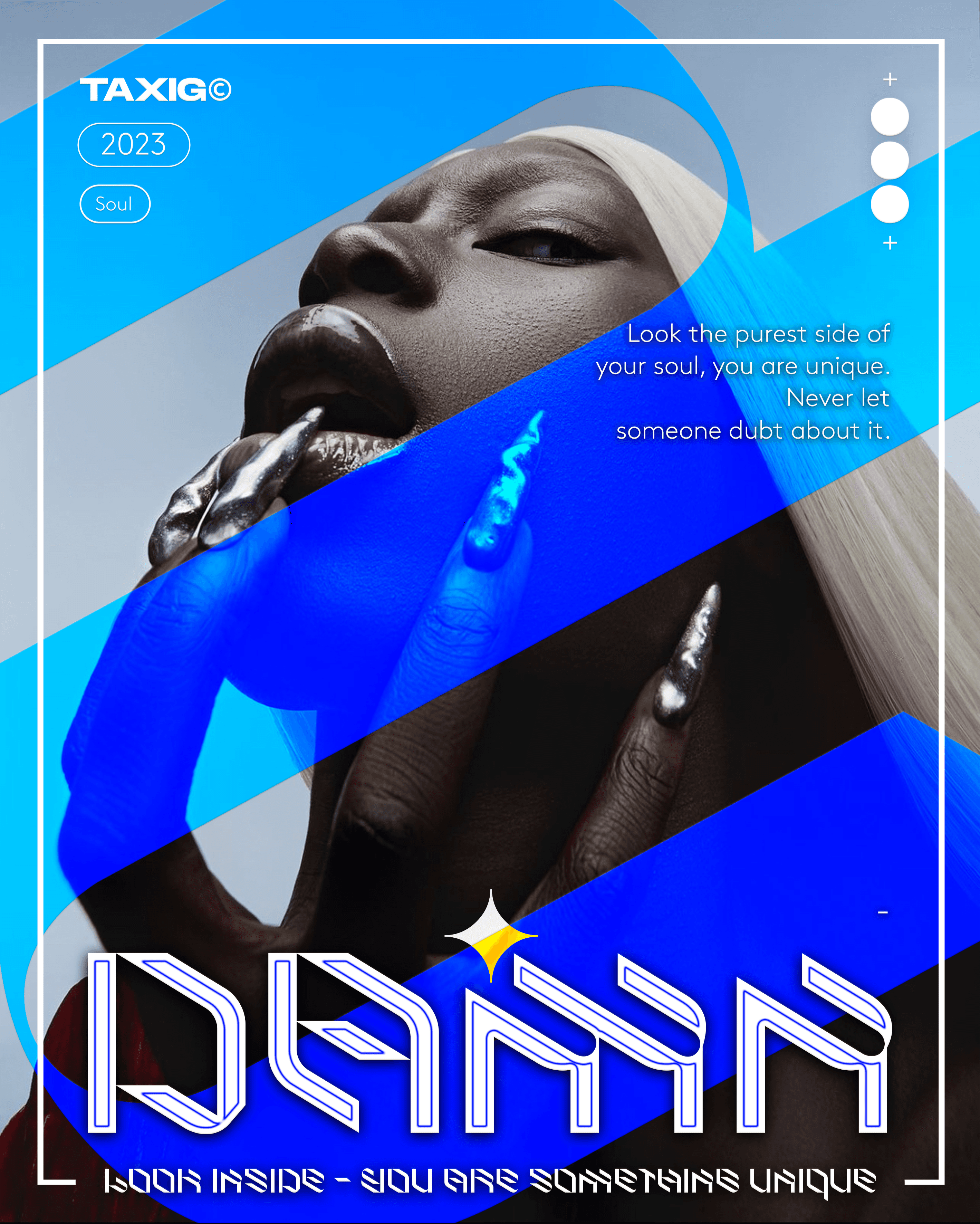
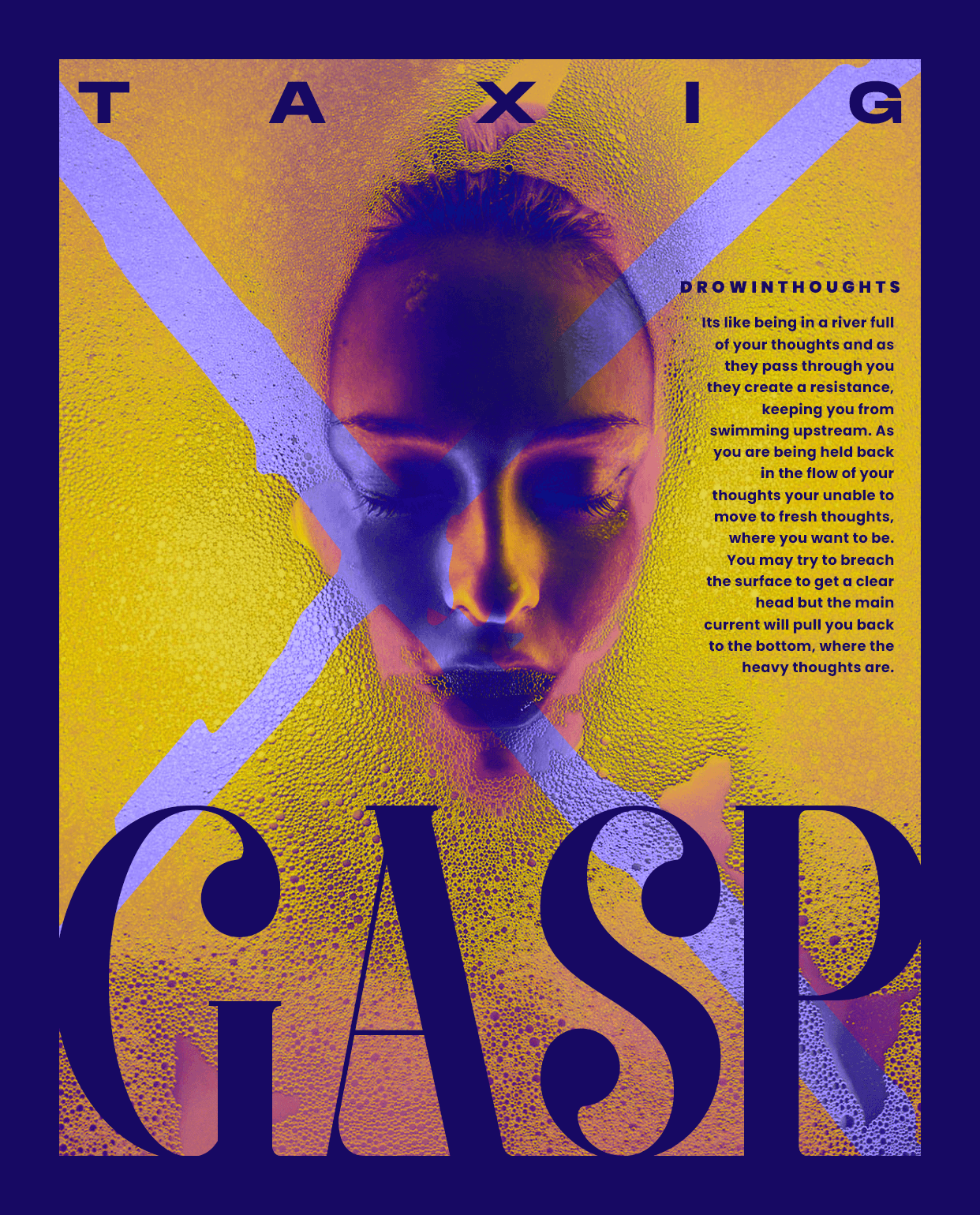
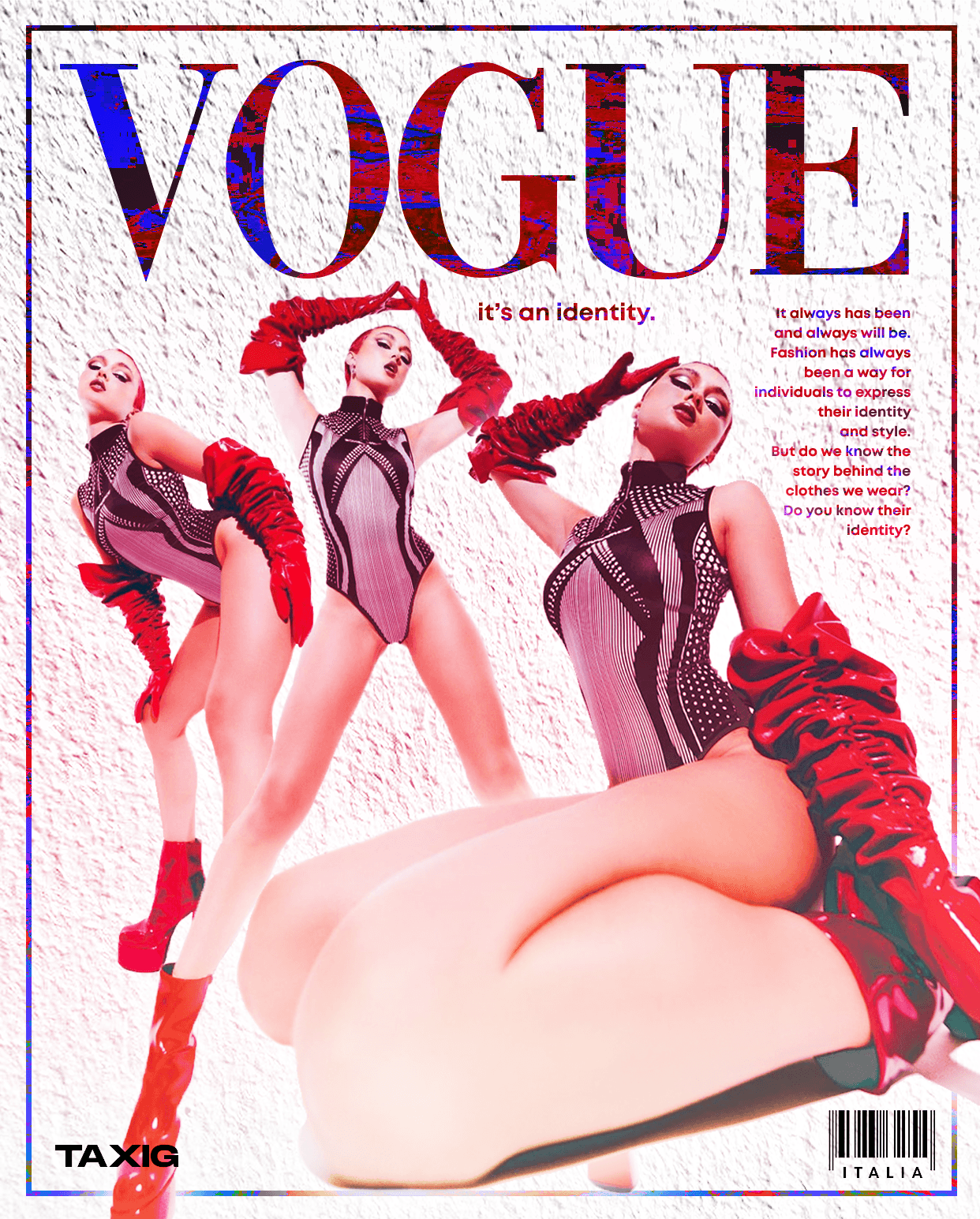
My goal for this personal work was to simulate a real-world R&D process focused on core design challenges that are directly applicable to building large-scale digital products. The key questions I explored were:
Systemic Grids: How can a grid system be both robust enough for consistency and flexible enough for creative expression? This was an exercise in creating scalable, rule-based layouts.
Functional Typography: Beyond aesthetics, how can typographic hierarchy and rhythm be engineered to improve readability, guide user attention, and create a clear information architecture?
The Design
My methodology is a disciplined process of building and testing visual systems. I focus on three core components that are foundational to both print and scalable digital design:
Systemic Typography: I treat typography as a primary UI component. My process involves defining clear hierarchies, typographic scales, and rhythm to ensure readability and create a consistent visual language. This turns text from a simple element into a foundational part of the user experience.
Rule-Based Composition: My layouts are built on robust grid systems. I use these grids not as constraints, but as a logical framework to orchestrate information, guide the user's eye, and ensure scalability across different formats. Every decision to "break the grid" is a deliberate choice made to serve a specific communicative purpose.
Strategic Use of Space: I consider negative space a functional tool for creating clarity and focus. My methodology involves a deliberate use of spacing to reduce cognitive load, establish clear relationships between elements, and improve the overall usability of a layout. It's about designing the space, not just filling it.